
Demystifying Loans: A Comprehensive Guide to
Borrowing Responsibly
Introduction
Loans have become an integral part of our financial
landscape, offering individuals and businesses access to funds for various
purposes. Whether you're planning to buy a home, start a business, or cover
unexpected expenses, understanding the ins and outs of loans is crucial for
making informed borrowing decisions. In this blog, we will delve into the world
of loans, exploring different types, key considerations, and responsible
borrowing practices.
What Are Loans
A loan is a financial arrangement in which a lender provides
funds to a borrower with the expectation of repayment over a specified period,
usually with interest. Loans can be obtained from banks, credit unions, online
lenders, or specialized lending institutions. They serve as a means to bridge
financial gaps, make significant purchases, or invest in opportunities that may
not be immediately affordable.
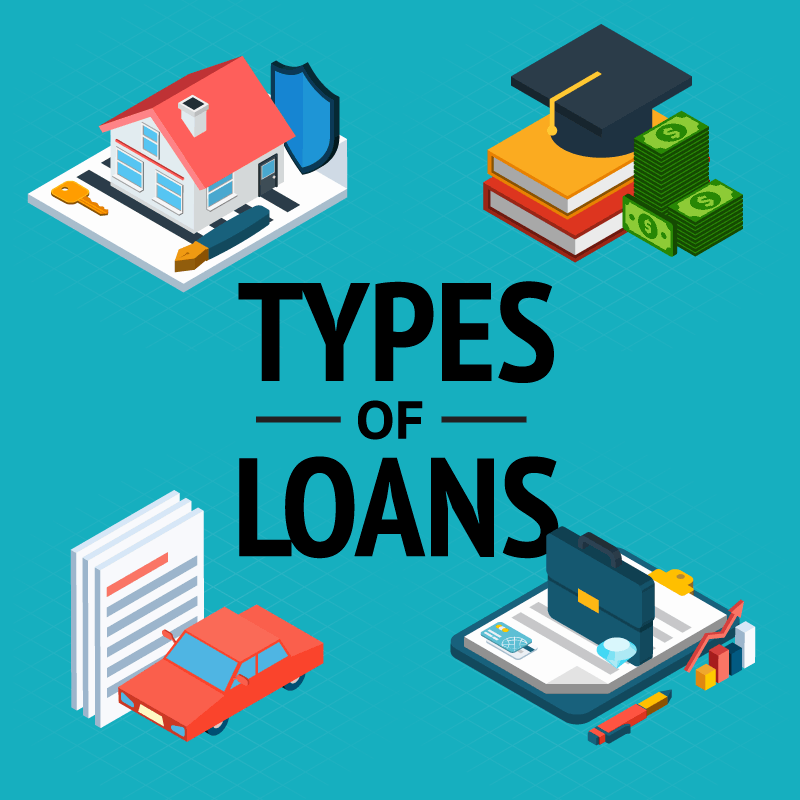
Types of Loans
Personal Loans
Personal loans are unsecured loans that can be used for
various purposes, such as debt consolidation, home improvements, or unexpected
expenses. They are typically based on the borrower's creditworthiness and
income. Personal loans offer flexibility and can be repaid over a fixed term
with a fixed interest rate.
Mortgage Loans
Mortgage loans are specifically designed for purchasing or
refinancing real estate properties. They are secured by the property itself,
allowing borrowers to access substantial amounts of money over a long repayment
period. Mortgage loans come in various forms, including fixed-rate mortgages,
adjustable-rate mortgages, and government-backed loans.
Auto Loans
Auto loans are used to finance the purchase of a vehicle.
They can be obtained from banks, credit unions, or car dealerships. Auto loans
may have fixed or variable interest rates, and the vehicle itself serves as
collateral. Repayment terms and interest rates depend on factors such as the
borrower's credit history, down payment, and the vehicle's value.
Business Loans
Business loans provide financing for starting, expanding, or
maintaining a business. They can be used for working capital, equipment
purchases, inventory, or commercial real estate. Business loans come in various
forms, including term loans, lines of credit, and Small Business Administration
(SBA) loans. Lenders evaluate the borrower's creditworthiness, business plan,
and financial projections when considering business loan applications.
Student Loans
Student loans are specifically designed to finance education
expenses. They can be obtained from government programs or private lenders.
Student loans offer deferred repayment options and typically have lower
interest rates compared to other types of loans. Repayment begins after the
borrower completes their education or leaves school.
Responsible Borrowing Practice
Determine Your Need
Before applying for a loan, clearly define your borrowing
needs and evaluate whether taking on debt is necessary. Consider alternative
options, such as saving or adjusting your budget, to minimize the amount you
need to borrow.
Understand Loan Terms
Thoroughly review the loan terms, including interest rates,
fees, repayment period, and any potential penalties. Understand the total cost
of borrowing, including the interest paid over the life of the loan.
Assess Your Financial Situation
Evaluate your current financial situation, including your
income, expenses, and existing debt obligations. Ensure that you have a
realistic repayment plan in place and that the loan payments fit comfortably
within your budget.
Compare Lenders and Offers
Shop around and compare loan offers from different lenders
to find the most favorable terms and interest rates. Consider factors such as
customer reviews, reputation, and customer service when selecting a lender.
Maintain Good Credit
Maintaining a good credit score is crucial for obtaining
favorable loan terms. Make timely payments, keep credit utilization low, and
monitor your credit report regularly for any errors or discrepancies.
Use Loans Wisely
Borrow only what you need and avoid taking on excessive debt.
Make sure the loan aligns with your financial goals and supports long-term
financial stability. Avoid using loans for frivolous or non-essential expenses.
Conclusion
Loans can be powerful financial tools when used responsibly
and with careful consideration. Whether it's for personal needs, homeownership,
business growth, or education, understanding the different types of loans and
following responsible borrowing practices is essential. Remember to borrow
within your means, evaluate loan terms thoroughly, and maintain good financial
habits to ensure a positive borrowing experience and long-term financial
well-being.



No comments:
Post a Comment